
- Services
- Garage Doors
- Garage Door Maintenance
- Annual Maintenance Plan
- Broken Garage Door Spring
- Garage Door Cable Replacement
- Garage Door Opener Repair & Replacement
- Garage Door Roller and Track Repair
- Off-Track Garage Door
- Garage Door Weather Stripping Installation
- Garage Door Sensor Repair
- Garage Door Panel Replacements
- Garage Door Maintenance & Safety Inspections
- Garage Door Spring Tension Adjustment
- Garage Door Keypad Installation
- Garage Door Remote Programming
- Frequently Asked Questions
- About
- Contact
- Blog
Comparing Garage Door Materials: Which One is Right for Your Home?


Introduction to Garage Door Materials
Choosing the right garage door material is crucial for enhancing the curb appeal, security, and energy efficiency of your home. With various options available, each offering unique benefits, making the right choice can seem overwhelming. This guide will help you understand the differences between popular materials to find the best fit for your needs.
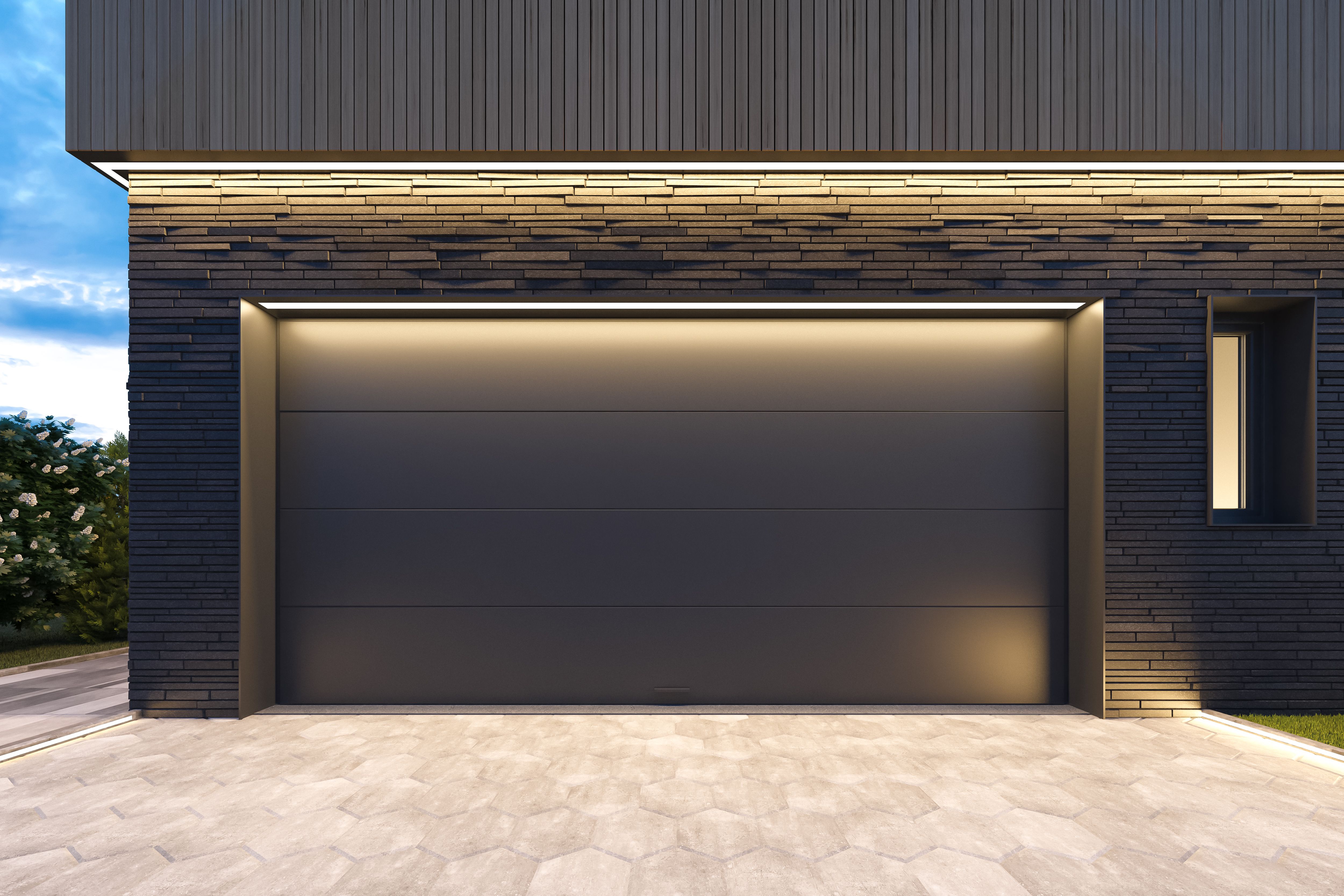
Steel Garage Doors
Steel doors are a popular choice due to their durability and low maintenance. They offer a wide range of styles and can be insulated to improve energy efficiency. If you're looking for a cost-effective option that can withstand harsh weather, steel might be the right choice for you.
Pros and Cons of Steel
- Pros: Durable, low maintenance, customizable designs.
- Cons: Can dent easily, may rust if not properly coated.
Wood Garage Doors
For a classic and elegant look, wood garage doors are unmatched. They add warmth and charm to any home but require more maintenance compared to other materials. Wood can be stained or painted to match your home’s exterior, offering a personalized touch.

Pros and Cons of Wood
- Pros: Aesthetic appeal, customizable, natural insulation properties.
- Cons: Requires regular maintenance, susceptible to warping and rot.
Aluminum Garage Doors
Aluminum doors are lightweight and resistant to rust, making them ideal for humid climates. They are available in many styles and finishes, including those that mimic the look of wood. However, their lightweight nature means they can be more prone to dents.
Pros and Cons of Aluminum
- Pros: Lightweight, rust-resistant, affordable.
- Cons: Less durable against impacts, limited insulation.
Fiberglass Garage Doors
Fiberglass doors are known for their durability and resistance to saltwater corrosion, making them perfect for coastal areas. They can be designed to resemble wood, offering aesthetic flexibility. These doors are also lightweight, but they can crack under severe impact.
Pros and Cons of Fiberglass
- Pros: Resistant to rust and corrosion, lightweight, versatile designs.
- Cons: Can crack under impact, less energy efficient.
Vinyl Garage Doors
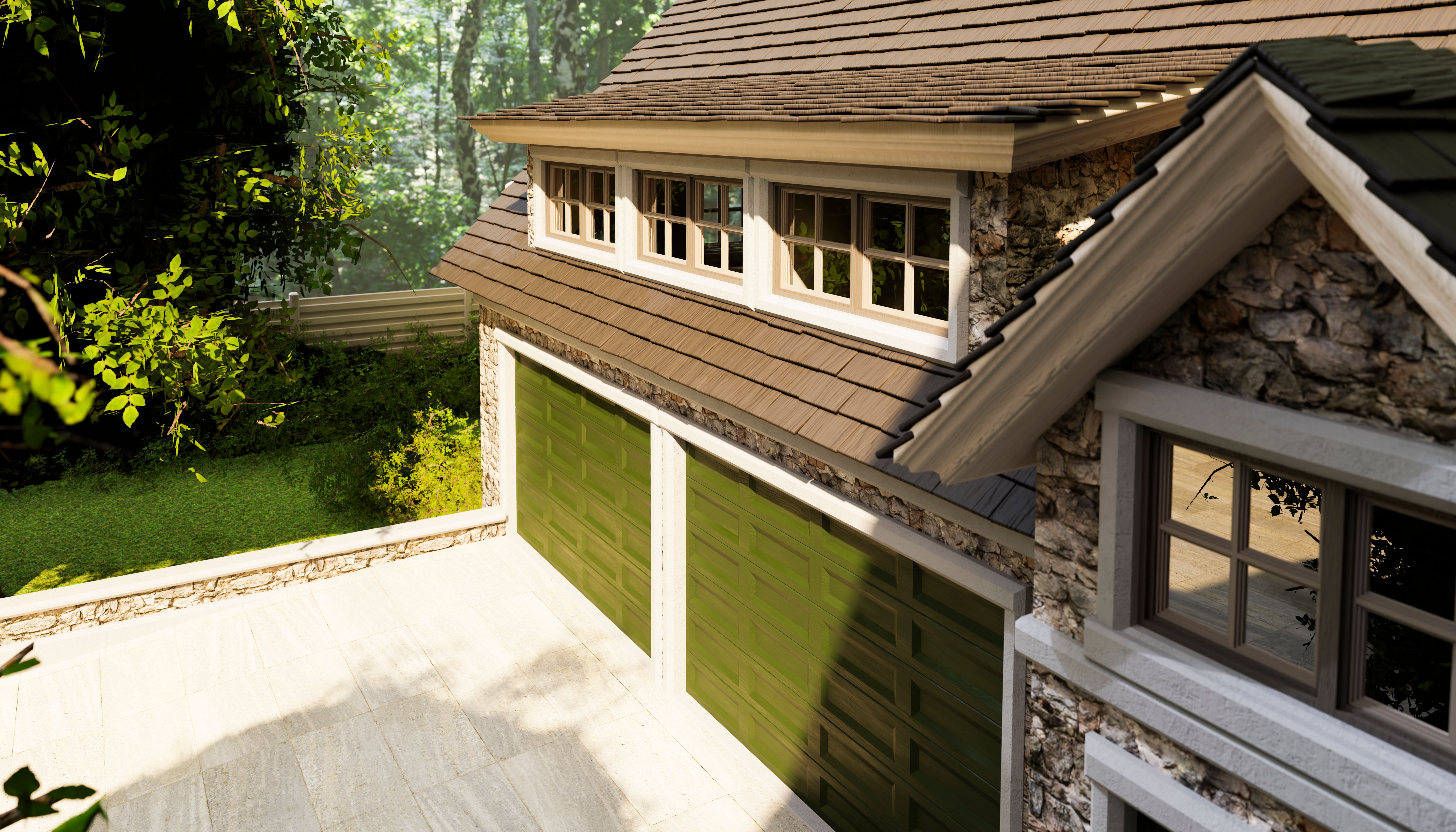
Vinyl doors are durable and require minimal maintenance, making them a great choice for families with children. They are resistant to dents and scratches and often come with excellent warranties. However, color options may be limited compared to other materials.
Pros and Cons of Vinyl
- Pros: Durable, low maintenance, resistant to dents.
- Cons: Limited color options, can be more expensive.
Conclusion: Making Your Decision
When selecting a garage door material, consider factors such as climate, budget, and aesthetic preferences. Each material offers distinct advantages and potential drawbacks, so weigh these carefully against your specific needs. With the right choice, your garage door will enhance your home's beauty and functionality for years to come.